SocialCelebrity
Brand Login
Brand Education · Influencer MarketingWhat is influencer marketing

What Is Influencer Marketing?

The good, the bad, and a step-by-step strategy that actually works — told through the Indian brands that turned creators into growth engines.

By SocialCelebrity11 min readBrand EducationJuly 2026

Here's a number that explains modern marketing in one line: over a billion people worldwide now use ad blockers. Consumers haven't stopped buying — they've stopped wanting to be sold to. That's the gap influencer marketing fills. Instead of interrupting people with ads they didn't ask for, brands show up inside the content they already trust — a skincare creator's morning routine, a food blogger's weekend review, a tech reviewer's honest teardown. Nowhere is this shift more visible than India, and this guide covers what it is, the honest pros and cons, and how to do it right.

THE DEFINITION

What is influencer marketing?

Influencer marketing is a social media strategy where brands partner with creators — people who've built credibility and an engaged audience — to endorse or feature their products on platforms like Instagram and YouTube.

The core idea is simple: trust transfers.A creator spends years earning their audience's trust through consistent, authentic content. When they genuinely recommend a product, some of that trust flows to the brand. It's word-of-mouth, industrialised.

Instead of interrupting people with ads, brands show up inside the content they already trust. It's word-of-mouth, industrialised.

THE GOOD

Why it works

Five reasons it works so well

Awareness that feels organic.You're introduced in a context people chose to watch — the fastest credibility shortcut for a new brand.
Targeted reach.A haircare brand on a haircare creator's page reaches pre-qualified buyers, not a random audience.
Borrowed trust. Creators already have the loyal following it takes brands years to build. Their word is social proof.
Cost-effectiveness. Micro and nano creators deliver far more per rupee than TV, print, or celebrity endorsements.
Serious ROI. Around $5–6 back for every $1 spent — and performance models push accountability even further.

THE BAD

The honest downsides

What can go wrong

You're trusting a third party with your reputation.The creator becomes the face of your brand for that campaign.
Inconsistency across creators. Ten creators means ten interpretations. Without guidelines, your messaging fragments.
Controversy risk. If a creator lands in a scandal, brands attached to them catch the splash. Vetting matters.
Fake followers. 200K followers and 300 likes a post is a red flag — always calculate engagement rate before signing.
Forced fits look forced.Audiences instantly smell a creator promoting something they'd never actually use.

Every one of these risks traces back to the same thing: choosing the wrong creators, manually, with no data — exactly what platforms like SocialCelebrity were built to solve.

THE PLAYBOOK

How to build a strategy, step by step

1 · Lay the groundwork. Before touching a single profile, answer four questions: your goal (awareness, engagement, or sales), your ideal buyer, your budget and timeline, and the KPIs that define success.

2 · Choose your platforms. Instagram dominates lifestyle, beauty, food and travel; YouTube wins for in-depth reviews and tutorials; LinkedIn is the B2B play. Go where your audience actually is.

3 · Find the right creators.This is where campaigns are won or lost. Check niche alignment, audience city and age, real engagement, and past brand work. Doing it manually means hours of scrolling — on SocialCelebrity it's an AI-powered smart search with audience data in one place.

4 · Reach out and agree terms. Send a clear proposal covering scope, deliverables, timeline, and payment — flat fee, barter, or commission. Remember creators choose brands too.

5 · Let creators create. The most common mistake is scripting a creator into a walking advertisement. Give guidelines and no-go zones, then trust their instincts.

6 · Measure and optimise. Track KPIs from day one, find who actually moved the needle, and reinvest in them. The best programs are compounding relationships, not one-off campaigns.

CASE STUDIES

Indian brands doing it right

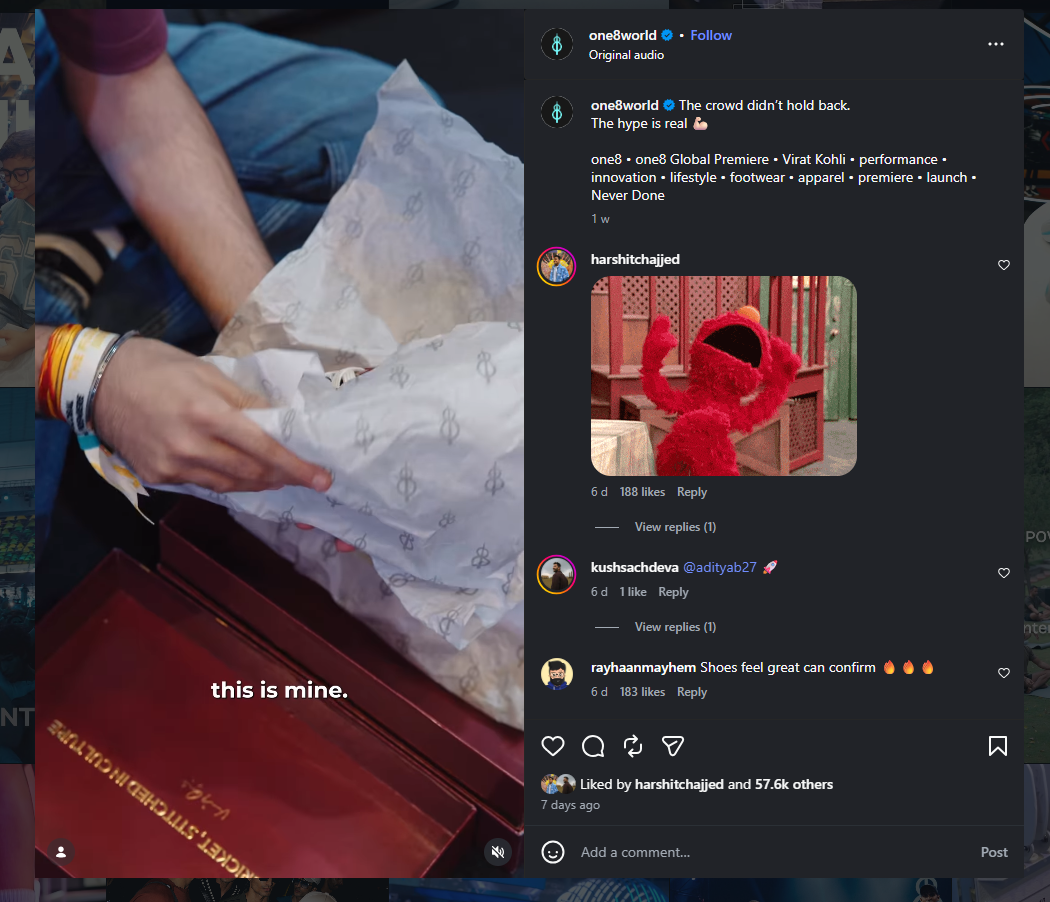
None of these brands treated creators as billboards. They chose aligned voices, gave them creative freedom, and played the long game.

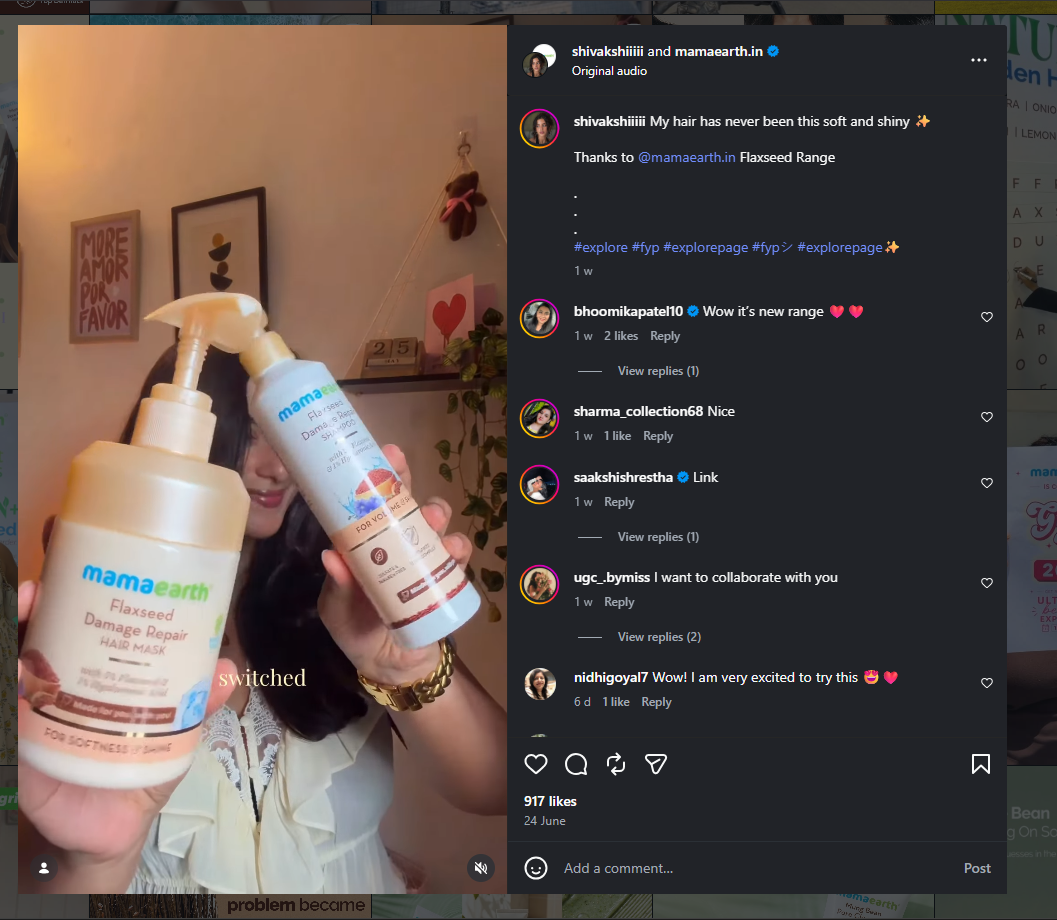
SUGAR Cosmetics grew by systematically backing micro and mid-tier beauty creators over Bollywood faces — its #SugarBeautySquad campaign mobilised over 1,200 creators. boAt sold identical-looking earphones by refusing to market them as electronics, using creators like Bhuvan Bam and Ashish Chanchlani to make it a lifestyle. Dot & Key rode creator-led education all the way to a Nykaa acquisition.

The takeaway

Influencer marketing works because trust beats interruption. The good — organic awareness, targeted reach, borrowed credibility, real ROI — is available to any brand willing to be strategic. The bad — wasted spend, fake followers, forced content — almost always traces back to picking the wrong creators with no data.

Get the matching right, give creators room to be themselves, measure honestly, and double down on what works. That's the entire game.